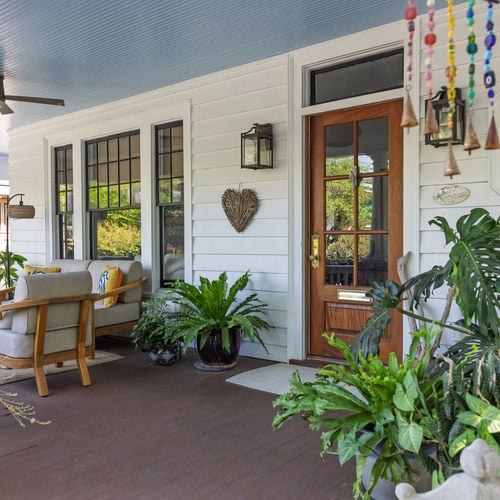

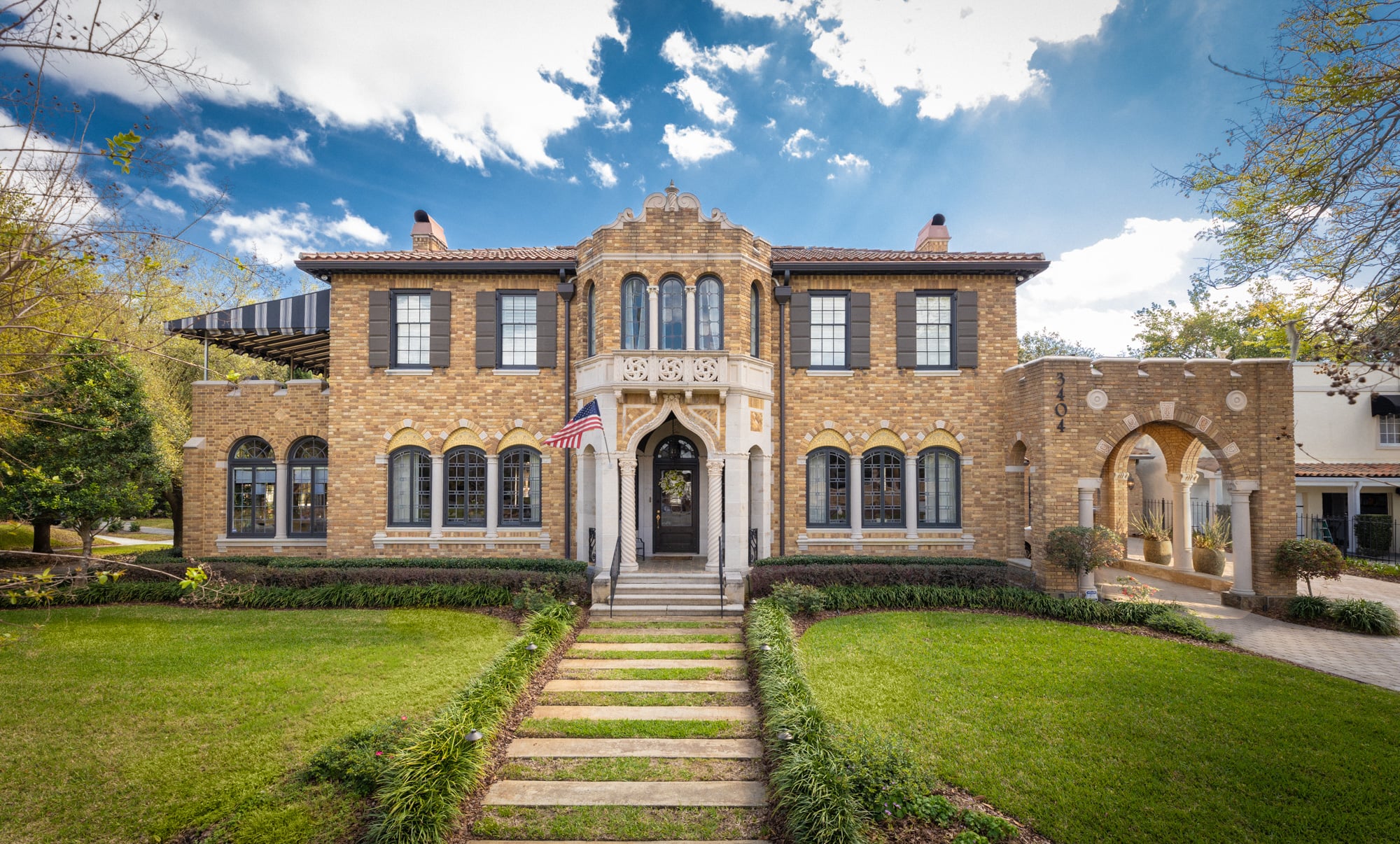
If a move to Jacksonville is on your horizon, take a good look at Avondale, Riverside, Springfield, Ortega, Murray Hill, and San Marco before you settle anywhere else. These are some of the most character-rich, walkable, and genuinely livable pockets in the entire city. Tree-lined streets, front porches, original architecture, and an easy walk to local shops and restaurants. For a lot of relocating buyers, Jacksonville's historic neighborhoods end up being the best decision they make in the whole move.
Here's why it's worth putting them on your list.
You Get a Real Neighborhood, Not Just a House
New construction communities are often built around cul-de-sacs and cars, not people. Jacksonville's historic districts were laid out before that shift happened. Sidewalks lead somewhere. Front porches face the street instead of a privacy fence. You can walk to a coffee shop, a park, or dinner without getting in the car.
Riverside and Avondale in particular have grown into some of the most walkable pockets in the city, with local shops, restaurants, and green space woven directly into the residential streets. San Marco has that same small-town-square feel, anchored by its shopping district and the St. Johns River just steps away. If you're moving from a city where walkability and character were part of daily life, these neighborhoods will feel far more familiar than a subdivision off the interstate.
The Architecture Is Actually Interesting
Jacksonville's historic neighborhoods hold on to a level of architectural variety you won't find in a new build. Craftsman bungalows, Mediterranean Revivals, Colonial Revivals, and Prairie-style homes sit side by side, many built in the early 1900s through the 1930s. Original hardwood floors, coffered ceilings, clawfoot tubs, and heart pine millwork are common. These are details that would cost a fortune to replicate today, if you could find someone who still knows how.
For buyers relocating from other historic markets, places like Savannah, Charleston, New Orleans, or parts of the Northeast, this is often the closest thing Jacksonville has to what you're used to.
Location, Location, Location
These neighborhoods aren't tucked away. They're close to everything. Riverside and Avondale sit minutes from Downtown Jacksonville and the growing Brooklyn district. San Marco puts you near the river, restaurants, and an easy commute to the beaches or Downtown. Springfield, one of the city's oldest and now fastest-reviving districts, is directly adjacent to Downtown and the sports/entertainment complex. Ortega offers a quieter, more residential feel while still being a short drive from it all.
If your job, your kids' school, or your social life will center around the urban core, a historic neighborhood often means a shorter commute than a new build 30 minutes out.
Strong, Established Communities
Because these neighborhoods have been around for decades, they come with built-in community infrastructure: neighborhood associations, preservation groups, local events, and long-time residents who genuinely care about where they live. Riverside Avondale Preservation, Springfield Preservation and Revitalization, San Marco Preservation Society and Murray Hill Preservation Association, for example, actively host events and advocates for the area. It's a different social fabric than a brand-new development still filling its first phase of homes.
A Few Things to Know Before You Relocate Here
Buying into a historic neighborhood does come with some learning curve, especially if you're used to a standard subdivision:
- Exterior work may require city approval. Homes in locally designated historic districts need a Certificate of Appropriateness (COA) from the City of Jacksonville's Historic Preservation Section before any exterior changes (roofing, windows, fencing, additions) can move forward. It's a straightforward process, but it's a step buyers from other markets aren't always expecting.
- Insurance may take extra steps. Florida insurers typically require a 4-point inspection (roof, electrical, plumbing, HVAC) on older homes, so it's worth understanding a home's system updates before you fall in love with it.
- No two homes are identical. In a subdivision, comps are easy: same floor plan, same year. In a historic district, pricing takes a more experienced eye, since age, updates, and originality all affect value differently from house to house.
None of this should scare you off. It's just different from what most relocation buyers are used to, and it's exactly where having a local agent who works these neighborhoods every day makes the search easier.
Is a Historic Neighborhood Right for You?
If you want walkability, architectural character, and an established sense of place, Jacksonville's historic districts are hard to beat. If your priority is brand-new everything with minimal maintenance, a newer suburb might still make more sense, and that's a fair call too.
Either way, it helps to see both sides of Jacksonville before you decide where to land. If you're relocating and want a guided look at Riverside, Avondale, Springfield, San Marco, Ortega, or Murray Hill, reach out to us. A tour of these neighborhoods usually tells you more in an afternoon than a week of scrolling listings ever could.
Check out this article next